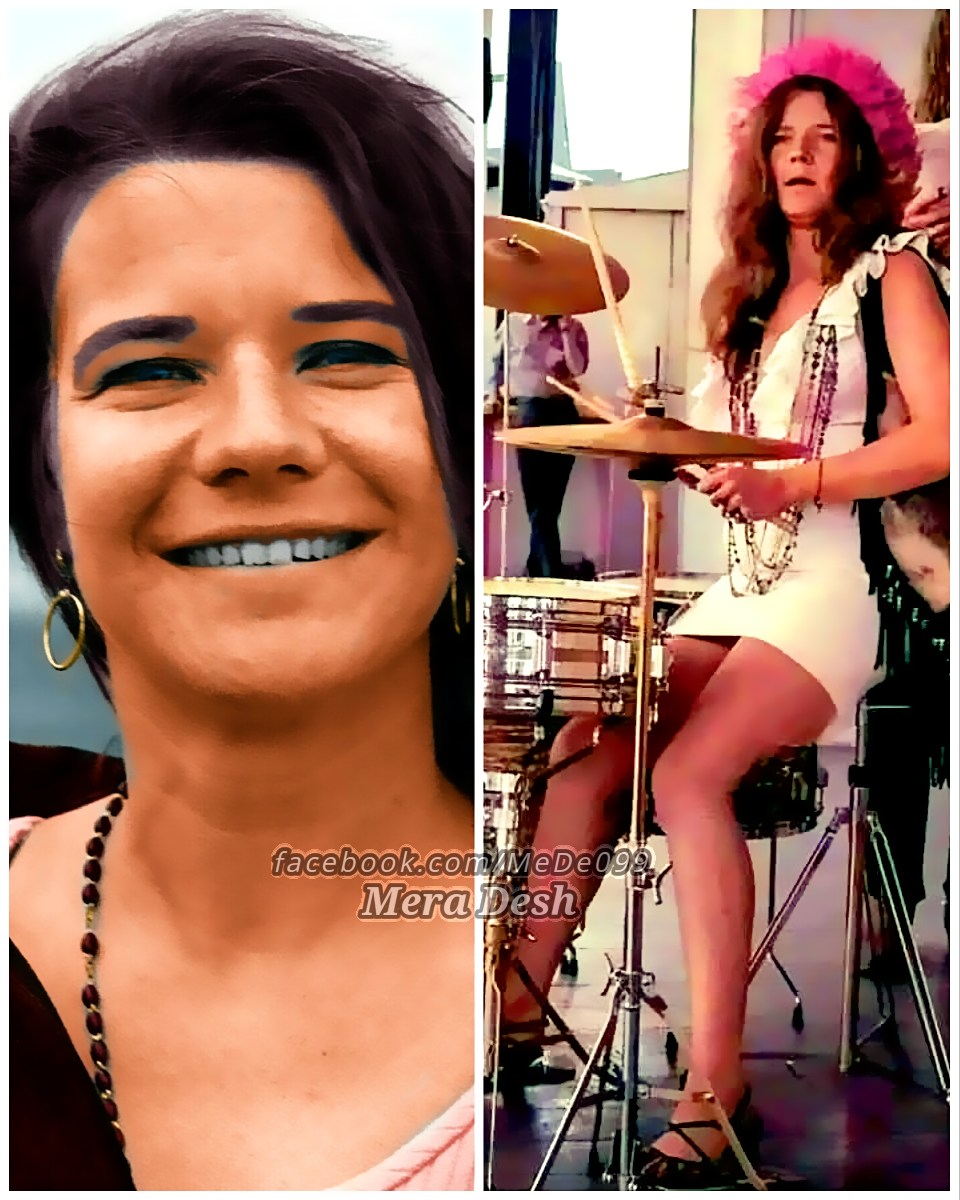
They called her “freak.” At Thomas Jefferson High School in Port Arthur, Texas

They called her “freak.” At Thomas Jefferson High School in Port Arthur, Texas, Janis Joplin often walked the halls alone, her sketchbooks clutched close and blues music humming in her ears. Her mismatched clothes, paint-stained hands, and deep admiration for artists like Lead Belly and Bessie Smith made her an easy target in a conservative oil town that expected girls to be quiet, polished, and proper. Janis refused to conform. And for that, she paid a heavy price.
The ridicule didn’t stop in school. At coffee shops and community events, whispers trailed her. Some students even nominated her for “Ugliest Man on Campus” during her brief time at the University of Texas at Austin, a cruel stunt that shattered what little self-worth she was clinging to. Janis, a young woman with a fragile heart and a burning hunger to express herself, internalized every sneer and joke. She once confided, “They laughed me out of class, out of town, out of the state.” Her identity became a battleground where art, rebellion, and pain collided.
But isolation carved something fierce within her. The rejection didn’t silence her voice. It sharpened it. She turned to the blues not just for comfort, but for strength. The raw emotion of the genre matched her inner turmoil, and she began singing in bars and clubs, first in Texas, then across the country. Each performance was a rebellion against every name she had ever been called.
By the early 1960s, Janis had left Port Arthur far behind and immersed herself in the music scene of San Francisco. She joined Big Brother and the Holding Company in 1966, but even then, she battled addiction, heartbreak, and insecurity. Her raspy, soul-wrenching vocals drew comparisons to the legends she idolized, but behind the scenes, she still questioned whether she was truly accepted. Music journalist Ellen Willis later said, “Janis sang like she was fighting for her life, because in many ways, she was.”
Her breakthrough came with the band’s 1968 album “Cheap Thrills,” which featured hits like “Piece of My Heart.” The success was staggering. Suddenly, the girl who had once been humiliated for being different was commanding festival stages and topping charts. But fame couldn’t erase her pain. She often felt like an outsider even among fellow musicians, yearning for love and battling a sense of emptiness that no applause could fill.
The 1969 Woodstock performance became her defining moment. In front of hundreds of thousands, Janis bared her soul with every note. Drenched in sweat, clutching the mic like it was the only thing tethering her to the earth, she poured out the same anguish she had once scribbled into notebooks back in Port Arthur. That stage, so far from the classrooms that shunned her, became the space where her truth finally mattered.
Janis once said, “Freedom’s just another word for nothing left to lose.” For her, that freedom came at a cost. She died in 1970 at just 27, a victim of heroin addiction, still wrestling with the demons born in her youth. But her journey from mocked misfit to rock icon became a lifeline for others who felt broken, rejected, and different.
Her voice lives on, not just in vinyl records but in every person who ever dared to dream louder than their surroundings allowed. Janis Joplin didn’t sing songs. She screamed for those who had been silenced.
Her rebellion remains a torch for anyone who has ever been told they’re too strange to belong.