China locks down patients as Chikungunya virus spreads to new countries
China has locked down patients as Chikungunya virus passes 10,000 cases and spreads to new countries

A sudden surge of viral infections has alarmed health officials in southern China this summer.
Guangdong’s conditions clarified.

Guangdong’s warm, humid climate and urban density create perfect conditions for mosquito breeding.

Foshan, a major city within the province, has seen an explosive rise in cases since early summer

Local health systems, still strained from COVID-19, scrambled to isolate patients and track infections.

Initial warnings in June gave way to more aggressive control measures as infections surged.
Residents faced strict water removal orders and travel restrictions, stirring frustration amid ongoing disruptions.

Scientists warn that without coordinated efforts, chikungunya could become a seasonal threat in the region.

This outbreak reflects the delicate interplay of urbanization, climate change, and emerging infectious diseases in China.
Chikungunya virus detailed.

Chikungunya is transmitted by Aedes mosquitoes, common in tropical and subtropical regions.

Outbreaks typically occur in South Asia, Southeast Asia, and parts of Africa.

The virus has now been identified in 110 countries worldwide, per the BBC.
Fever and joint pain appear within a week of infection; other symptoms include headaches, muscle swelling, and rash.

Although most patients recover within days, some suffer from lingering joint pain for years.

High-risk groups include the elderly, infants, and people with underlying health conditions like heart disease or diabetes.
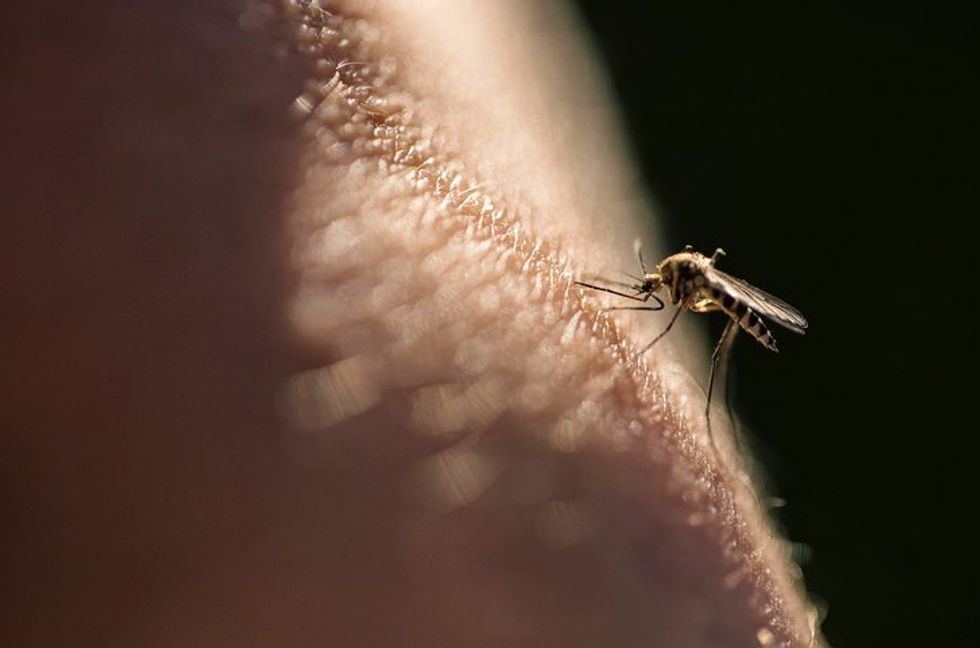
Importantly, the virus cannot spread directly between people — only via mosquitoes.
Growing health threat explained.

Guangdong province reported over 7,000 cases since July, with Foshan city at the epicenter.

With thousands of new infections emerged in just the past week, according to the BBC’s latest figures.
The virus is no longer confined to Foshan; 12 other cities in Guangdong have confirmed cases.
Hong Kong reported its first case on August 4 — a 12-year-old boy who fell ill after traveling to Foshan.
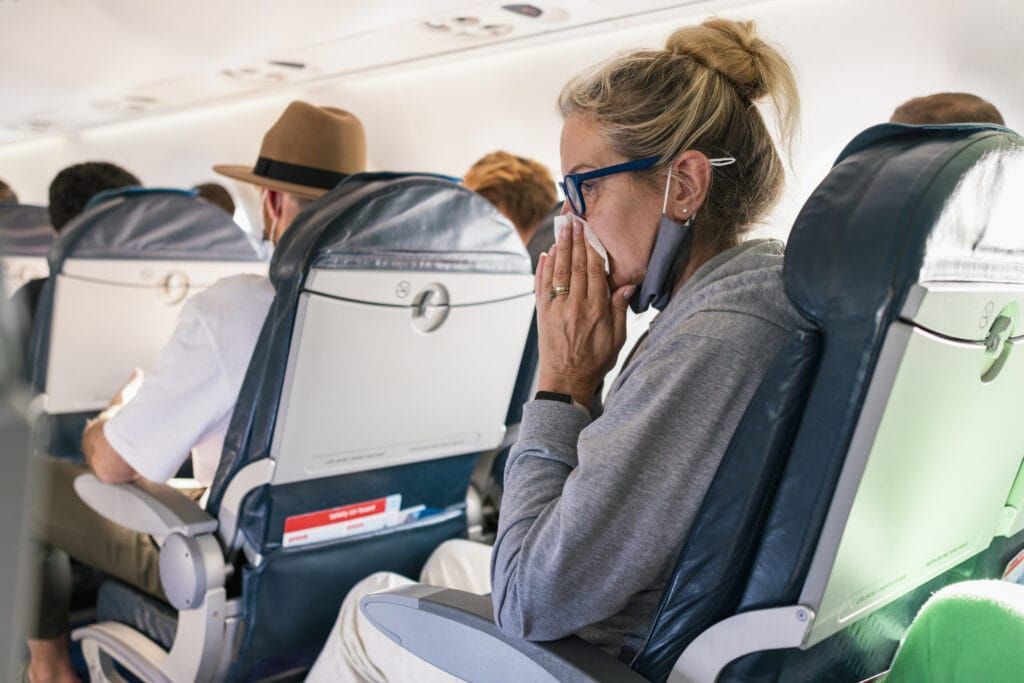
Symptoms include fever and rash, mirroring those seen in mainland infections.
Chinese authorities’ immediate response confirmed.

Chinese officials quickly launched a wave of pandemic-style interventions to contain the outbreak.

Residents must remove stagnant water from homes to eliminate mosquito breeding grounds or face fines up to 10,000 yuan ($1,400).

Hospitals in Foshan are isolating patients with mosquito nets around their beds to prevent further spread.
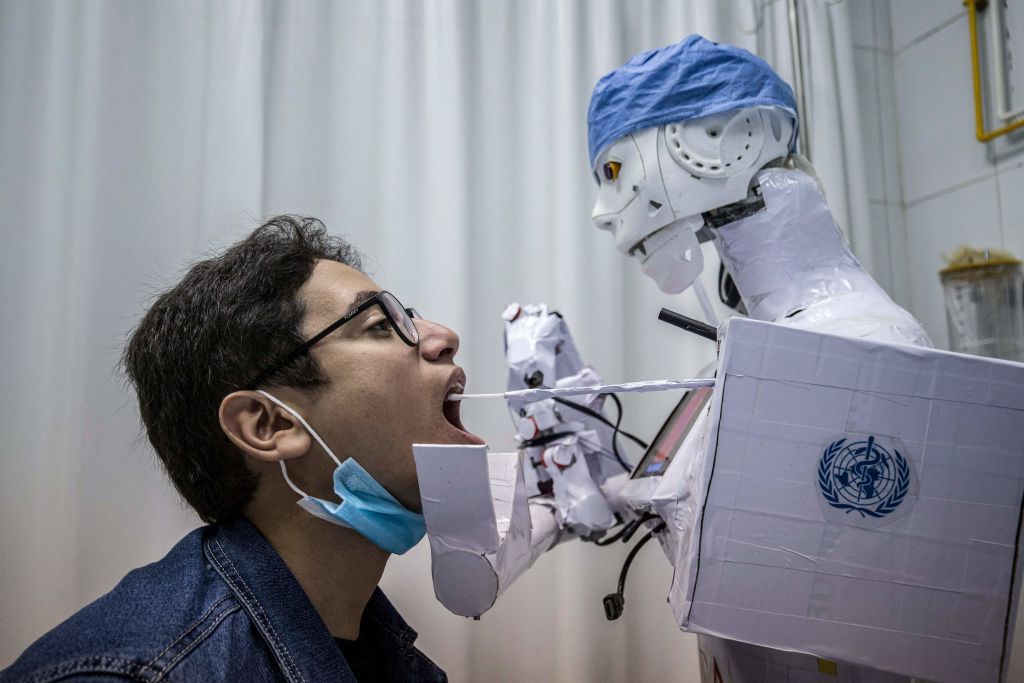
Anyone experiencing symptoms is urged to get tested promptly.
New tactics to fight the mosquito menace.

Authorities have released 5,000 mosquito larvae-eating fish into local lakes to reduce breeding sites.
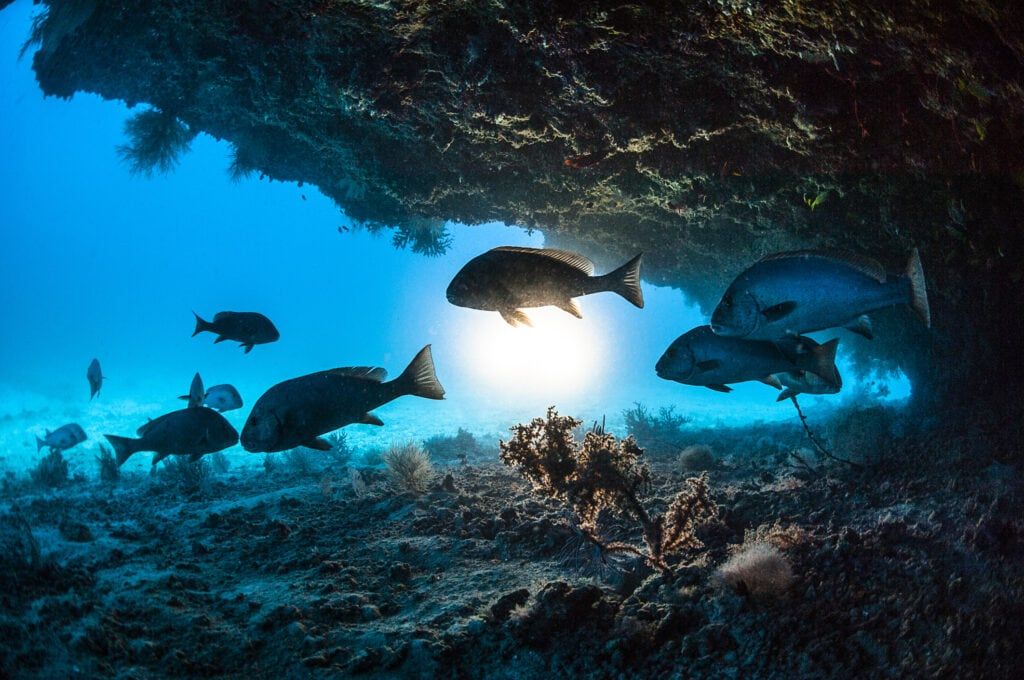
Drones are deployed to detect and target stagnant water across urban and rural areas.

Plans include releasing ‘elephant mosquitoes’—larger predatory insects that feed on chikungunya-carrying mosquitoes.

Neighboring cities briefly imposed 14-day quarantines on travelers from Foshan, though these were later lifted due to backlash.

The World Health Organization notes two vaccines for chikungunya have been approved in some countries but are not yet widely available.

No antiviral treatments exist; symptom management relies on pain relief and fever reducers.
Guangdong face serious public health challenge.

With the virus rapidly spreading and nearly 3,000 new cases in one week, Guangdong is facing a serious public health challenge.

Officials have launched a forceful, pandemic-style campaign to curb chikungunya before it spirals further out of control.