Ozzy Osbourne Passes Away at 76, Marking the End of an Unforgettable Era in Rock History
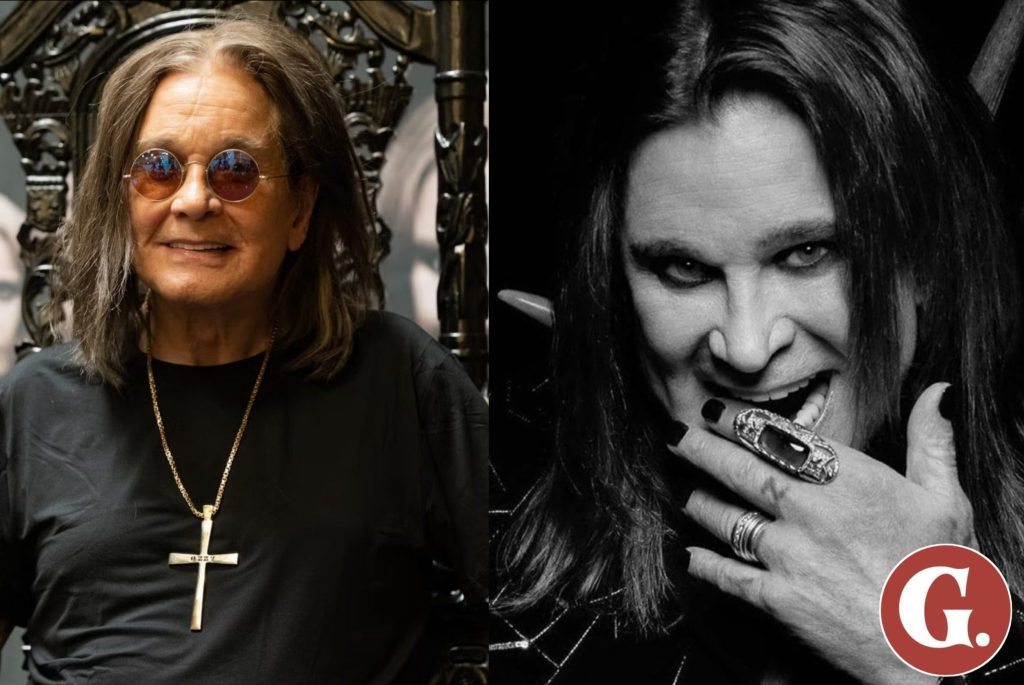
When the news broke about Ozzy Osbourne passing away at age 76, I honestly didn’t know how to react at first. You hear about celebrities dying all the time, and while it’s always sad, it rarely hits you in the gut the way this one does. With Ozzy, it feels different, almost personal, like losing an eccentric uncle who had been part of every rebellious phase you ever had.
Ozzy wasn’t just a rock star; he was an icon, a larger-than-life figure who defined generations. He gave metal its dark swagger and its unmistakable voice. His journey through life wasn’t a typical success story—it was wild, messy, and filled with drama, yet impossibly relatable. From his rise to fame as the frontman of Black Sabbath to his outrageous solo career and the reality TV fame with “The Osbournes,” Ozzy was everywhere, seemingly timeless, like he’d always been here and always would be.
I remember my first encounter with Ozzy’s music vividly. I was thirteen, maybe fourteen, rifling through a stack of old vinyl records in my uncle’s basement. Amidst the worn sleeves of bands whose names I didn’t know, there it was—“Paranoid” by Black Sabbath. The cover was mysterious, almost unsettling, but I couldn’t resist dropping the needle onto the vinyl. From the very first notes, I was hooked. Ozzy’s haunting, unmistakable voice sliced right through me, reshaping my young taste in music and introducing me to a genre that would stay with me forever. It felt rebellious, forbidden, and wildly exciting—the very essence of rock ‘n’ roll, distilled into a single record.
Throughout the decades, Ozzy’s music remained constant, evolving but never losing its edge. Even as he aged, his lyrics and voice retained a youthful defiance. Songs like “Crazy Train,” “Mama, I’m Coming Home,” and “Bark at the Moon” became more than just tracks on an album—they were anthems, soundtracks to countless memories, and moments shared with friends. His music resonated with millions because it felt authentic. Ozzy never pretended to be perfect. He embraced his imperfections, proudly wearing his flaws as badges of honor, reminding us all that being human was messy and wonderful.
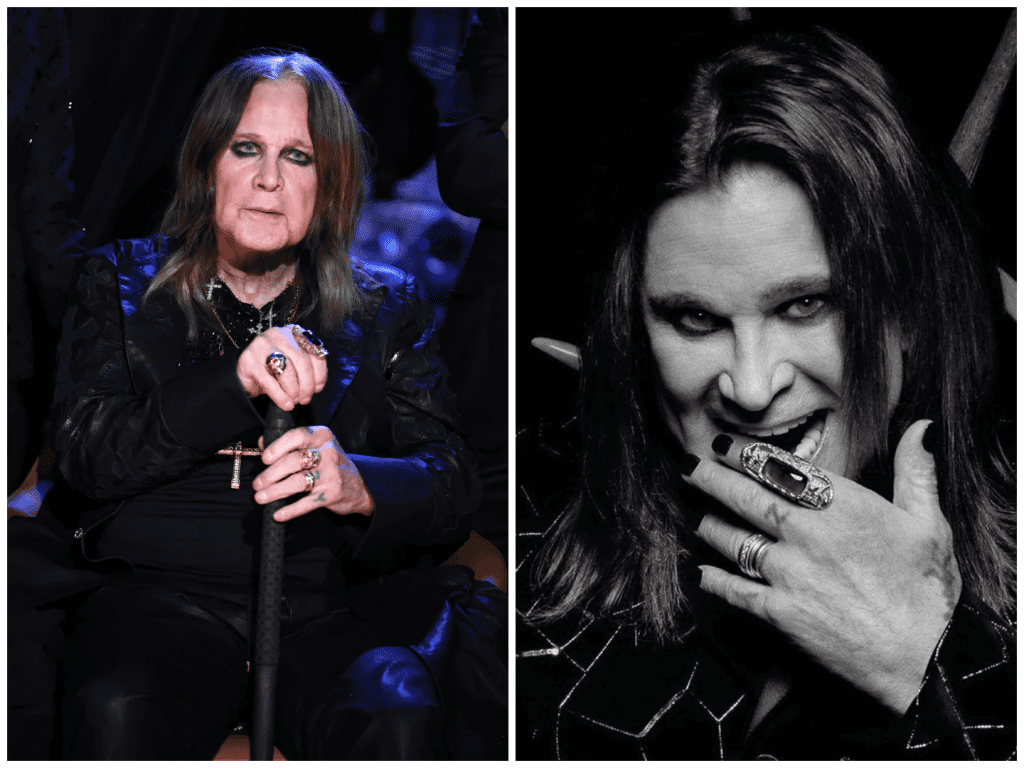
Ozzy faced more than his share of struggles, particularly in his later years. The diagnosis of Parkinson’s disease in early 2020 seemed like an unfair blow to someone who’d given so much of himself to the world. And yet, despite his deteriorating health, Ozzy fought fiercely. It was clear he wasn’t ready to leave the stage quietly. Just weeks ago, he performed his final concert, aptly named “Back to the Beginning,” at Villa Park in Birmingham, his hometown. I watched clips of that show, and even though he sat on a throne throughout, his energy still filled every corner of the stadium. The emotion on the fans’ faces, the shared feeling of witnessing something historic—it was profound. Ozzy was home, surrounded by those who loved him most, saying goodbye in the best way he knew how—through music.