Are The Philadelphia Eagles Visiting White House After Their Super Bowl Win?

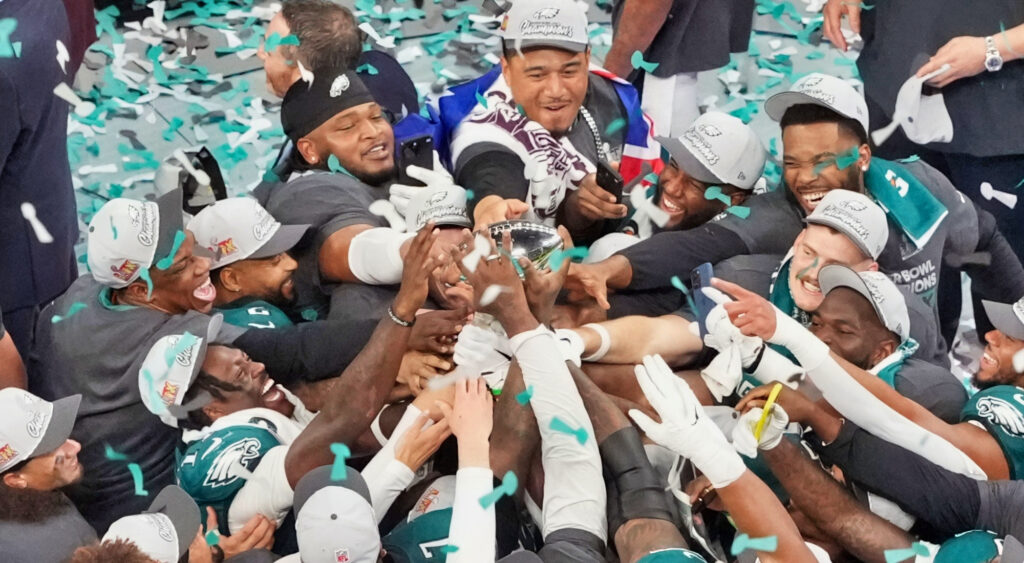
The Philadelphia Eagles are celebrating their latest Super Bowl victory after a convincing 40-22 win over the Kansas City Chiefs. Traditionally, Super Bowl champions receive an invitation to the White House, a custom dating back to 1980 under President Jimmy Carter. However, the Eagles have a complicated history with this tradition. When they won their first Super Bowl in 2018, then-President Donald Trump rescinded their invitation after reports suggested many players planned to boycott due to his comments on national anthem protests. Now, with Trump back in office for a second term, the question arises, will the Eagles accept a potential invitation this time, or will history repeat itself?
This decision comes at a time when White House visits by championship teams have become increasingly politicized. While they were once seen as routine, Trump’s first term saw multiple teams decline invitations or, in some cases, not receive one at all.
A History Of Eagles And White House Tensions
The Eagles’ relationship with the White House has been fraught with controversy. Following their 2018 Super Bowl win over the New England Patriots, Trump withdrew their invitation, citing national anthem protests and players’ reluctance to attend. Reports at the time suggested fewer than ten players were planning to participate in the visit. Instead, the White House held a brief event without the team, labeling the Eagles’ actions as a “political stunt.” Philadelphia’s Mayor’s Office harshly criticized Trump, calling him “a fragile egomaniac obsessed with crowd size.”
This past conflict puts the Eagles in a difficult position now that they have reclaimed the Lombardi Trophy in 2025. President Donald Trump made history by attending Super Bowl 59 in New Orleans, the first sitting president to do so. While he did not publicly endorse a team, he had previously predicted a Kansas City victory.
The Changing Nature Of White House Visits For Champions
The tradition of championship teams visiting the White House has changed significantly in recent years. Between 2001 and 2016, nearly every Super Bowl winner made the trip, with players from both sides of the political spectrum participating. However, this shifted dramatically during Trump’s first term. Of the four Super Bowl-winning teams from 2017 to 2020, only one visited the White House. The Golden State Warriors also made headlines in 2017 when Trump rescinded their invitation after star player Stephen Curry expressed hesitation about attending.

Political and cultural factors have further complicated these visits. Historians like Frank Guridy and political scientists like Tom Knecht argue that Trump’s approach to sports, often using it as a tool to press political advantage, has made White House visits more controversial than ever. While past presidents used sports as a unifying platform, Trump’s rhetoric has created a divide. His recent executive order targeting transgender athletes in women’s sports shows how his administration’s policies intersect with the sports world.
The Eagles’ owner, Jeffrey Lurie, has remained noncommittal about a potential visit, avoiding the question before the Super Bowl. Given the political climate, the team’s decision will likely carry weight beyond football. If they attend, it may be seen as legitimizing Donald Trump’s presidency, while skipping the event could be viewed as a political statement. Whether the Eagles will extend that celebration to 1600 Pennsylvania Avenue is uncertain. Their choice will once again blur the line between sports and politics.